


Understanding the Vanguard Role
Vanguards are the damage-soaking tanks in Marvel Rivals, forming the backbone of any competitive team. Unlike Duelists who hunt for kills or Strategists who keep everyone alive, Vanguards have two main jobs: protect your teammates from incoming damage, and force enemies to waste their abilities on you.
Primary Responsibilities
Playing Vanguard means constantly balancing defensive positioning with offensive pressure. Yes, absorbing damage is your main job, but you've got serious firepower too. When your abilities are on cooldown or enemies are retreating, switch from defense to offense. Just be ready to swap back when your team needs protection.
Why Vanguards Matter
In competitive matches, you need two heroes from each role. When your team already has two Duelists and two Strategists, you're going Vanguard if you want to win. This is widely considered the hardest role in the game because you need constant awareness of both your team's positioning and enemy movements.
Core Vanguard Concepts: The Foundation
Space Creation and Control
Creating space goes way beyond standing in choke points. Good Vanguards actively push into enemy territory, forcing opponents to react and make decisions under pressure. You want to create as many decision points as possible for the enemy team. Eventually, this pressure leads to mistakes your team can punish.
Different Vanguards create space in different ways, but the goal stays the same: break enemy formations, create openings for your DPS, and deny key objective points. This means understanding when to push forward, when to hold your ground, and when to fall back.

Demanding Attention: The Art of Distraction
Distraction is one of your most valuable contributions. When enemies shoot you instead of your Duelists or Strategists, you're doing your job. But good distraction goes beyond soaking damage. You're forcing enemies to waste time and resources dealing with you, which creates opportunities for your team to win fights.
Here are some practical examples:
- You're playing Thor and pushing an enemy DPS, their Magneto panics and shields the DPS instead of himself
- You dive as Venom, Hulk, or The Thing onto two enemy Strategists, forcing them to burn defensive cooldowns
- You create situations where your team still has their abilities while enemies have already used theirs
Demand attention by getting noticed and forcing enemies to commit abilities through smart positioning and aggressive presence.
Creating Pressure Through Controlled Aggression
You can pressure opponents in multiple ways beyond direct combat. Make them uncomfortable by disrupting their game plan, reading what they're trying to do, blocking key paths, or forcing them into awkward angles they didn't plan for. Just standing there taking hits isn't doing your job.
This ties into space creation but emphasizes making already chaotic battles even more unpredictable. Constant pressure stops enemies from executing their strategies smoothly and keeps them reactive instead of proactive.
The Guardian Mentality: Protecting Your Team
While creating space and applying pressure might seem like your main focus, protecting your backline matters just as much. Many players forget about this unless they're playing obvious protectors like Doctor Strange or Magneto.
Your job is disrupting these flanks. If the Black Panther keeps getting pressured, he'll either back off or switch heroes. Protection isn't just about shields and defensive abilities. It's about actively hunting flankers and stopping enemy DPS from isolating your supports.
Leading the Charge: Vanguard Leadership
As the Vanguard, you're your team's leader through positioning and presence. Sure, Spider-Man might be on voice comms making callouts, but he can't physically lead the team into battle. You're on the frontline, making you the leader whether you like it or not.
This leadership comes with specific responsibilities:
Ultimate Tracking: Don't assume teammates are tracking enemy ultimates. You need to monitor enemy Strategist and high-impact DPS ultimates. Communicate this through voice or adjust your positioning to prepare your team.
Engagement Timing: When fights hit a stalemate with both Doctor Stranges just trading poke and nobody committing, you decide when to start the brawl. This needs awareness of respawn timers, which teammates are alive, and whether enemies are coming back from spawn.
Knowing when to engage, when to turn a poke battle into a full commitment, and when to push objectives is one of the most important skills for Vanguard players. Bad engagement timing loses fights even when you have the better comp.
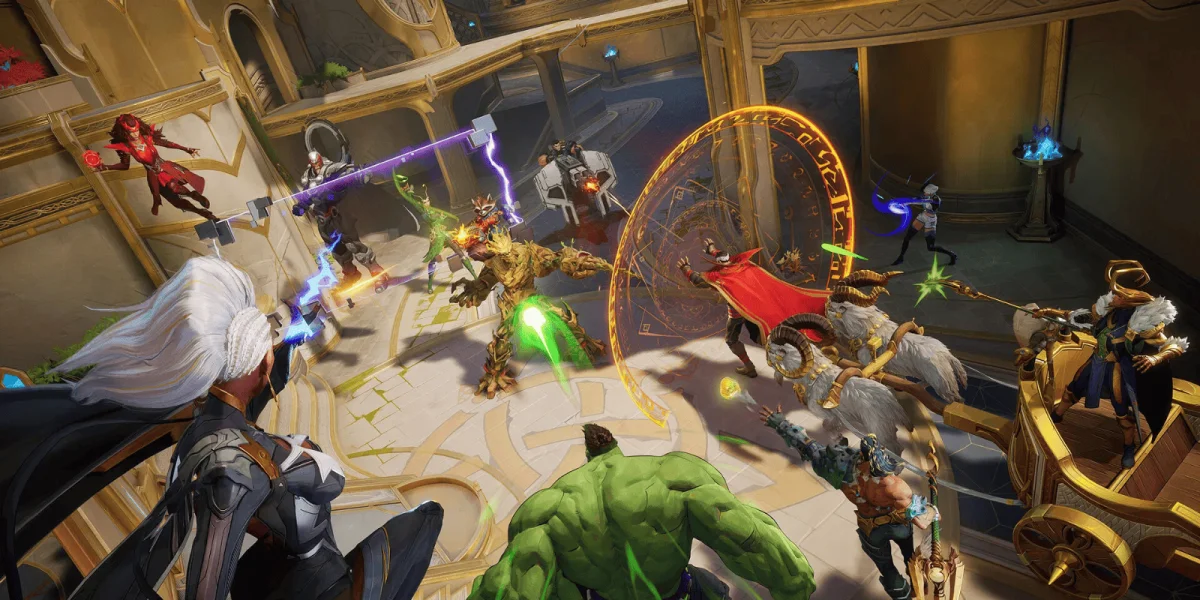
Vanguard Role Classifications
Main Tanks
Main tanks anchor your team and create most of your space. Doctor Strange and Magneto fit this category. These heroes establish where your team fights from, control engagement ranges, and provide the foundation for team fights. Main tanks usually stay with the group and set the pace of battle.
Off Tanks
Off tanks work alongside main tanks, supporting them instead of leading. They help with peeling, take some burden off the main tank, and create extra pressure through harassment. Off tanks give you flexibility, letting main tanks focus on their core job.
Dive Tanks
Dive tanks specialize in getting into battles fast, creating chaos, and (this is critical) getting out safely. While most Vanguards can get into fights (Hulk just leaps in), successful dive tanks have solid exit strategies. Venom, Hulk, and Captain America all have dive potential, but they're only good at it if they can disengage safely after creating pressure.
Brawlers
Brawlers dominate close-range combat, thriving in sustained melee fights. The Thing and Captain America represent this style, mixing durability with consistent close-quarters damage. These heroes maintain pressure through long fights instead of quick strikes.
Universal Vanguard Strategies
Front Line Positioning
The biggest mistake new Vanguard players make? Staying behind their teammates. Vanguards have way more health and abilities designed to boost survivability through shields, bonus health, or damage reduction. You're built to be in front.
Even ranged Vanguards like Peni Parker or Doctor Strange need to stay forward. Your job is engaging enemy Vanguards while giving your Duelists space to eliminate the enemy backline. Think of yourself as the wall between threats and your team.
Fighting enemy Vanguards can turn into long slugfests, especially in competitive where both sides get constant healing. This takes patience and sustained pressure instead of hunting quick kills.
Selecting Situation-Appropriate Tanks
Unlike Duelists or Strategists, Vanguard players can't just main one hero. Each Vanguard has a specialized kit designed for specific situations. Success means understanding which hero fits current circumstances.
For Clearing Enemy Defense:
- Thor
- Hulk
- Venom
- Angela
For Defending Objectives:
- Peni Parker
- Groot
For Protecting Teammates:
- Doctor Strange
- Magneto
- Emma Frost
For Sub-DPS Roles:
- Thor
- Captain America
You can still win with non-optimal Vanguards for specific situations, but you're giving enemies free advantages. Being flexible with hero picks based on map, team comp, and enemy lineup makes you way more effective.
Flank Awareness and Counter-Play
As a Vanguard, understand you're not the primary target. Enemies will constantly try to get past you to reach your Strategists. This gets especially bad against high-mobility flankers like Iron Fist and Spider-Man, or during payload missions where backline access is easier.
Keep constant awareness of your team's positioning to spot flanking attempts. When you see an enemy sneaking toward your vulnerable teammates:
- Mark the flanker with the communication system
- Call out their position
- Tell teammates to reposition somewhere safer
- Dive the flanker yourself while making sure the enemy frontline can't push
This simultaneous juggling of multiple threats makes Vanguard one of the hardest roles, even though you get less recognition than flashy Duelist plays.
Avoiding Overextension
High health pools, especially on damage-heavy Vanguards like Thor, can make you feel invincible. Understanding your limits and recognizing how far you can push without dying matters a lot.
These limits shift constantly based on several factors:
Enemy Composition: Against teams with strong push enablers like Luna Snow or Mantis, keep enemies far from objectives. Their ultimates can capture points fast if enemies get close.
Team Positioning: Never push into enemy spawn alone. Check where your team is before extending.
Ultimate Status: If your team has ultimates ready for a push, wait for coordination. Starting fights when teammates are about to ult gets maximum value.
Map Layout: Some maps have natural barriers and cover that let you push farther safely, while open maps need more conservative positioning.
Isolating Enemy Squishies
Frontline fights against enemy tanks can get boring, but these standoffs test team patience and discipline. Eventually, enemy Duelists might get frustrated and push aggressively into your backline.
When this happens, your job is pushing enemy tanks away, creating space for your team to kill the isolated squishy. You're not trying to get kills yourself. You're setting up your teammates for eliminations, which boosts their confidence in both you and themselves.
Focus on separating enemy tanks from their overextended teammates. Use knockbacks, displacement abilities, or body blocking to stop enemy Vanguards from saving their vulnerable allies.
Role Discipline and Objective Priority
Playing damage dealers feels exciting, but Vanguards need to stick to their role even during boring moments. Defending capture points sometimes means staying still and waiting for enemies to come to you. If you abandon the objective to hunt fights, your team loses their protector and positional advantage.
Vanguard play often involves holding positions and maintaining lines instead of seeking action. Let Duelists keep up offensive pressure while you provide the stable foundation. Understanding that "boring" positioning wins games helps you stay disciplined.
Map Awareness and Environmental Usage
Mastering map knowledge is crucial for maximizing Vanguard effectiveness. Each map gives you unique opportunities through terrain features, choke points, high ground, and tight spaces.
Heroes like Peni Parker can dominate by placing webs and traps strategically, but effectiveness depends entirely on understanding the environment. Learn every map's layout:
- Find choke points where you can funnel enemies into bad positions
- Know which high ground spots give tactical advantages
- Locate tight corridors that favor certain Vanguard abilities
- Understand safe zones where your team can regroup under your protection
Using terrain effectively transforms good Vanguard play into dominant performances.
Team Synergy and Communication
Strong coordination with teammates multiplies your effectiveness. Characters like Thor excel at dealing heavy damage and drawing attention, but you need communication to maximize impact.
When engaging enemies, tell your team so they can capitalize on the opening. Whether through follow-up burst damage or flanking while enemies focus you, coordinated teamwork multiplies your contributions.
Communication gets especially important for ultimate timing. Let teammates know when you're planning to ult so they can prep complementary abilities or positioning.
Engage and Disengage Mastery
Knowing when to start fights and when to retreat is fundamental for Vanguards. Despite larger health pools, you're not unkillable. Characters like Venom show the perfect balance between offense and defense, using Venom Swing to dive battles effectively while keeping escape options ready.
Timing engagements and exits properly keeps you a constant threat while staying alive to protect and support your team. Learning this timing takes experience but comes down to:
- Entering fights when your team can follow up
- Watching your health and cooldown availability
- Recognizing when enemies burn critical abilities
- Retreating before you get isolated and vulnerable
- Re-engaging after healing and getting cooldowns back

Ability Resource Management
Get maximum value from your abilities by using them strategically for both offense and defense. For example:
- Groot's Ironwood Wall blocks critical paths and controls battle flow
- Venom's Feast of the Abyss wrecks tightly grouped enemies when timed right
- Magneto's magnetic shield absorbs damage before it becomes a problem
- Doctor Strange's portals redirect enemies and control battlefield positioning
Understanding when to use abilities turns fights in your favor. Don't just use abilities on cooldown or randomly. Each ability should have a specific purpose matching your current objective.
Ultimate Timing and Impact
When and how you use your ultimate can decide matches. Good timing creates advantages instead of wasting potentially game-winning abilities.
Examples of Ultimate Timing:
Thor's Awakening extends your survivability during critical moments, letting you soak more damage and protect teammates during key fights.
Doctor Strange's Astral Imprisonment locks down multiple enemies, creating chances for your team to regroup or launch decisive counterattacks. Being unpredictable helps. If you slowly march forward with shield up, enemies know what's coming. Look for chances to bluff or hide your intention until you activate.
Groot's Ultimate needs team communication. Without voice or text chat, teammates can't read your mind. Giving advance notice enables team wipes and objective captures through coordinated ability use.

Beginner-Friendly Vanguard Recommendations
For players new to Vanguard or hero shooters generally, certain tanks have more forgiving learning curves:
Easiest to Learn
- Venom: Simple play pattern, clear role, forgiving shield mechanics
- Peni Parker: Defensive focus, plays at range, natural for players uncomfortable with frontline aggression
Moderate Difficulty
- Doctor Strange: Straightforward shield use, clear role, needs positioning awareness
- The Thing: Team-dependent but simple ability use, clear brawler identity
- Magneto: Well-rounded kit, needs cooldown management but no complex mechanics
Advanced/High Skill Ceiling
- Captain America: Needs animation canceling, extensive awareness, difficult cooldown management
- Hulk: Requires strong game sense for engage/disengage, vulnerable without support
- Thor: Demands understanding dual forms, proper target selection, off-tank coordination
- Groot: Wall placement mastery required, positioning critical, needs team communication

Common Vanguard Mistakes to Avoid
Passive Play and Damage Absorption Only
Just standing and absorbing damage is the most common mistake new Vanguard players make. Your role goes way beyond being a damage sponge. You must actively create pressure, disrupt enemy plans, and force opponents into making mistakes.
Passive Vanguards let enemies execute their strategies comfortably, negating your team's comp advantages. Constantly look for opportunities to create pressure without overextending.
Ignoring Backline Threats
Focusing only on enemy frontline while flankers kill your Strategists loses games. Always stay aware of your backline's status. If healing stops or your Strategists have poor performance, check for flankers immediately.
Your Duelists can't protect Strategists while simultaneously pressuring enemy backlines. Peeling for your supports is your responsibility when threats appear.
Poor Ultimate Economy
Using ultimates without coordination or at bad times wastes game-winning potential. Consider:
- Are teammates alive and positioned to follow up?
- Do enemies have counter-ultimates available?
- Is the objective at stake or is this a minor skirmish?
- Can you accomplish the same goal without using ultimate?
Save ultimates for moments where they generate maximum value instead of using them on cooldown.
Chasing Eliminations
Vanguards who chase low-health enemies into bad territory often die and leave teams vulnerable. Your job is creating opportunities for Duelists to secure kills, not getting kills yourself.
Stay disciplined about maintaining your position unless you can secure the kill safely and return to your team before they need you.
Inflexible Hero Selection
Maining a single Vanguard severely limits your effectiveness. Each tank excels in specific situations, and refusing to swap when circumstances demand it handicaps your team.
Get competent with at least three Vanguards covering different roles: one main tank, one dive tank, and one defensive specialist. This flexibility lets you adapt to any team comp or map.
Ability Spam Without Purpose
Using abilities randomly or just because they're off cooldown wastes resources. Every ability use should serve a specific purpose:
- Creating space
- Protecting an ally
- Disrupting an enemy ability
- Securing a kill
- Blocking critical damage
Random ability use leaves you vulnerable when you genuinely need those abilities.
Neglecting Positioning Fundamentals
Even the most mechanically skilled Vanguard player will fail with poor positioning. Understand where you should be relative to:
- Your team's position
- The objective
- Enemy frontline
- Enemy backline threats
- Available cover and health packs
Positioning is the foundation of effective tank play. Master positioning before focusing on mechanical complexity.

Advanced Vanguard Concepts
Controlling Engagement Timing
Being able to decide when fights start is a primary Vanguard responsibility. Poor engagement timing causes losses even with better comps. Consider these factors before starting fights:
Team Status:
- How many teammates are alive?
- Are critical teammates respawning?
- Do we have ultimate advantage?
- Are teammates positioned to follow up?
Enemy Status:
- How many enemies are visible?
- Are enemies respawning and incoming?
- What ultimates do they have available?
- Is their team grouped or scattered?
Objective Status:
- Is this fight necessary or can we wait?
- What's the respawn timer for both teams?
- Do we need this fight to contest the objective?
Patience often wins games that aggression would lose. Learn to recognize when waiting for better circumstances gives more value than forcing a fight immediately.
Ultimate Tracking and Prediction
Advanced Vanguard players track enemy ultimate status and predict when opponents will try to use them. This allows pre-positioning and defensive ability use.
Tracking Methods:
- Watch kill feed for ultimate usage indicators
- Count time since last ultimate use
- Watch enemy aggression patterns (players often push before ulting)
- Notice when enemies group unusually (preparing combo ultimates)
Predictive Positioning:
- Position to block ultimates with shields or walls
- Keep escape options when expecting enemy ultimates
- Group your team when enemy ultimates could isolate individuals
- Spread your team when enemy AOE ultimates are available
Communicating Ultimate Status: Call out enemy ultimate predictions to your team. Even if you're wrong sometimes, the awareness helps teammates prepare mentally and positionally.
Creating Resource Advantages
Force enemies to use abilities while your team keeps theirs. This creates windows where your team can commit knowing enemies lack defensive options.
Baiting Abilities:
- Fake aggression to draw out defensive cooldowns
- Use shields to force enemies to commit ultimates early
- Dive threats that force healing resources on less valuable targets
Capitalizing on Advantages:
- Once enemies use key abilities, immediately tell your team
- Commit your own abilities and ultimates during enemy cooldown windows
- Push aggressively when you know enemies lack defensive options
Reading Enemy Compositions
Analyze enemy team comp during hero selection to plan your approach:
Heavy Dive Comps: Prepare for backline pressure. Stay closer to Strategists, use abilities defensively more often, consider tanks with strong peel (The Thing, Peni Parker).
Poke Comps: Enemies want to deal damage from range and avoid committing. Play aggressively to force close-range fights where they're uncomfortable. Consider mobile tanks (Captain America, Venom) who can close distance.
Brawl Comps: Enemies want sustained close-range fights. Consider tanks with sustained survivability (Hulk with healing, Doctor Strange) or displacement abilities to break up their grouping.
Shield-Heavy Comps: Enemies rely on blocking damage. Consider melee tanks (Thor) who bypass shields or heroes with shield-breaking capabilities (The Thing).
Map-Specific Strategies
Each map gives unique opportunities and challenges:
Open Maps with Long Sightlines:
- Favor mobile tanks who can close distance fast
- Use environmental cover extensively
- Be cautious about overextending without nearby cover
Tight Corridor Maps:
- Groot and Peni Parker excel here with area denial
- AOE abilities get maximum value
- Coordinate with team to prevent enemies from escaping narrow spaces
Vertical Maps with High Ground:
- Mobile tanks like Captain America and Thor excel
- Constantly contest high ground or force enemies off it
- Be aware of dive opportunities from above
Objective-Focused Maps:
- Defensive specialists like Peni Parker shine
- Control areas around objectives instead of chasing fights
- Maintain objective presence even during favorable fights elsewhere
Team Composition Synergies
Vanguard Duo Compositions
Running two Vanguards gives flexibility and power, but synergy matters:
Main Tank + Off-Tank:
- Doctor Strange + Thor
- Magneto + Venom
- Emma Frost + Captain America
Main tank provides stable frontline while off-tank creates pressure and disrupts enemies.
Dive + Peel:
- Venom + Peni Parker
- Hulk + Magneto
One tank dives enemy backline while the other protects your backline from flankers.
Double Main Tank:
- Doctor Strange + Magneto
- Groot + Emma Frost
Provides exceptional frontline stability but needs strong DPS to secure kills.
Vanguard-Strategist Synergies
Certain Strategists boost specific Vanguard effectiveness:
Aggressive Healers: Luna Snow and Mantis enable aggressive Vanguards (Hulk, Thor, The Thing) by keeping them alive during extended frontline presence.
Defensive Healers: Support survivability lets defensive Vanguards (Groot, Peni Parker) hold positions more effectively.
Damage-Boosting Supports: Amplify Vanguards with significant damage output (Thor, Captain America, Magneto).
Vanguard-Duelist Synergies
Coordinate with your Duelists to maximize effectiveness:
Dive DPS: When your team runs dive Duelists (Spider-Man, Iron Fist), consider dive Vanguards (Venom, Hulk) to coordinate pressure.
Flankers: Flanking Duelists benefit from frontline pressure that stops enemies from rotating to counter flanks. Main tanks excel here.
Poke DPS: Ranged Duelists need space to deal damage safely. Defensive Vanguards who control areas work well.
Wrapping Up: The Path to Vanguard Mastery
Mastering Vanguard means understanding you're not just the biggest health pool on your team. You're the leader, the protector, the initiator, and the strategic mind that determines when fights start and how they unfold.
Core Principles to Remember
- Create space actively, not passively
- Demand attention through smart pressure
- Protect your backline from threats
- Lead through positioning and engagement timing
- Adapt hero selection to circumstances
- Master fundamentals before pursuing mechanical complexity
- Communicate ultimate status and engagement intentions
- Balance aggression with survival
Vanguard is the hardest role in Marvel Rivals, but also the most impactful when played well. Your performance often determines whether your team can execute their strategies or whether enemies dictate the game's pace. Embrace the responsibility, stay patient during the learning process, and gradually develop the game sense that separates okay tanks from match-deciding forces.
Every game gives you chances to improve one aspect of Vanguard play. Focus on small improvements instead of perfection, and you'll become the backbone your team needs to win consistently.