

World of Warcraft's Midnight expansion brings a new hunting system called Prey that changes how you'll engage with outdoor content. Instead of passively completing world quests, Prey makes you both hunter and hunted. You pick a target, track them across the zone, and fight them off when they ambush you, all building toward a final confrontation at their hideout. This guide covers everything you need to know about the system, from basic mechanics to nightmare-level challenges.
What Is the Prey System?
Prey is an opt-in PvE hunting experience that adds tension and unpredictability to outdoor gameplay. The name might suggest PvP, but this is entirely a solo PvE system. You become bait for a dangerous target while simultaneously tracking them down.
The system layers on top of existing outdoor content. While you're completing world quests, fighting rares, or exploring zones, your chosen prey target might ambush you at random. You fight them off multiple times, gradually learning their location, until you can track them to their hideout and finish them off.
Blizzard's goal here seems clear: break up the repetitive world quest grind that's defined outdoor content for years. Instead of going through the motions, you need to stay alert for potential ambushes while working toward your target.
How to Start Hunting
To begin, visit Magister Astalor Bloodsworn in Murder Row within Silvermoon City. Talk to him to select a contract and choose your target. The system seems to be accessible even before max level, so you can start hunting as you level through Midnight.
First-timers go through a short introductory quest line on normal difficulty. This tutorial teaches the essential mechanics:
- Disabling traps scattered throughout zones
- Interacting with prey blood left behind after encounters
- Defeating anomalies you encounter during hunts
After completing the intro, you can pick contracts at any of the three difficulty levels and head into the open world.
How a Hunt Works
After selecting a contract, the hunt unfolds in several phases.
Zone Activities
When you arrive in your target zone, you'll notice special activities marked with unique bloodshard icons on your map. Three dedicated activities appear in each zone specifically designed to lure out your prey. These include defeating enemies in marked areas, disabling pylons scattered around, and chasing your prey target (which can involve watching enemies flee from you).
These dedicated activities give you options if you've already finished the week's world quests, can't find rare spawns because of competition, or haven't unlocked world quests yet while leveling.
Building Progress
Completing any world content contributes toward locating your prey. As you fill an invisible progress bar, you get closer to discovering their hideout. The system currently lacks a visible progress indicator, so you won't know exactly where you stand until the quest notifies you that you've found your target's location.
Ambushes
While pursuing activities, your prey target has a chance to jump you. These encounters happen somewhat randomly, adding unpredictability to the experience. Your target might appear while you're standing idle on a road, immediately after you've pulled multiple enemies, or during world quest objectives. Each ambush lasts either one minute or until you knock the target down to 50% health, at which point they retreat.
Final Confrontation
Once your quest says the prey's location is known, check your minimap to find their hideout. Activating a bloodshard at this location summons the mini boss and creates an arena-like ring around your character. Kill the target to complete the hunt and claim your rewards. You can turn in the quest immediately from where you're standing without returning to the quest giver.
Difficulty Levels Explained
Prey offers three difficulty tiers, each with different challenges and rewards.
Performance at Different Tiers
Normal Difficulty
Normal mode is your entry point and may be available during leveling. Here's what to expect:
- Other players in the open world can help you against your target
- No torments or affixes modify gameplay
- The final encounter has basic mechanics similar to average Delve bosses (interrupt certain abilities, dodge telegraphed attacks)
- Rewards Adventure-track gear
Normal functions as an introduction, adding some extra activities to your outdoor routine without significantly increasing danger. The experience feels like completing a special assignment from world quests with simpler objectives.
Hard Difficulty
Hard mode introduces torments, zone-wide debuffs that persist throughout your hunt. During testing, the following torments appeared on hard difficulty:
Stacking Damage Vulnerability: You gain a 2% damage taken increase that stacks once every 60 seconds. This pushes you to find your prey quickly before the debuff accumulates to dangerous levels (potentially 30% or more increased damage).
Sanguine Pools: Defeated enemies drop blood pools beneath them that deal damage if you stand in them. You'll need to reposition during combat to avoid unnecessary damage. In testing, these pools felt too small and dealt minimal damage, so Blizzard may tune them to be more threatening.
Other hard mode details:
- An arena forms around you during the final prey encounter, preventing outside help
- You face single-player encounters with tougher enemies
- Targets can be stunned, silenced, and crowd-controlled so all classes and roles have a fighting chance
- The stacking damage debuff doesn't apply during the final boss encounter
- Rewards Veteran-track gear (equivalent to Raid Finder loot)
Nightmare Difficulty
Nightmare is the ultimate Prey challenge, designed for players who want genuine difficulty in outdoor content. This mode throws multiple concurrent torments at you, creating a frantic, high-pressure experience.
Doubled Stacking Damage: The damage taken increase jumps to 4% per stack. Unlike hard mode where stacking ties to progress, nightmare stacks this debuff continuously every minute regardless of what you're doing. This creates an effective time limit on completing the hunt.
Blood Spirit Fixate: A spirit periodically spawns and fixates on you. If it touches you, it deals near-lethal damage. You can avoid this threat by running away and kiting the spirit, or by using interrupts or crowd control to cancel the fixate. BfA veterans will recognize this as basically the Thing From Beyond, just red instead of purple.
Stun on Ambush: When your prey target ambushes you on nightmare, you get stunned at the start of the encounter. This can be particularly nasty if you're already dealing with active torments and other enemies.
Bleeding Debuff: You may randomly start bleeding heavily for a prolonged period. This can trigger while you're flying between locations, forcing you to land and heal or pop defensive cooldowns.
Kill Timer Debuff (observed in some hunts): A debuff occasionally appears requiring you to kill a nearby enemy within a certain number of seconds or suffer heavy damage over time.
Other nightmare details:
- No raid groups can assist against your target
- Dying causes you to lose progress toward finding your prey's location, extending the hunt while torments keep stacking
- Sanctuary zones (hubs and safe areas) disable prey mechanics, giving you temporary respite
- Going AFK in the open world remains dangerous since torments keep applying
- Rewards Champion-track gear (equivalent to Normal raid loot)
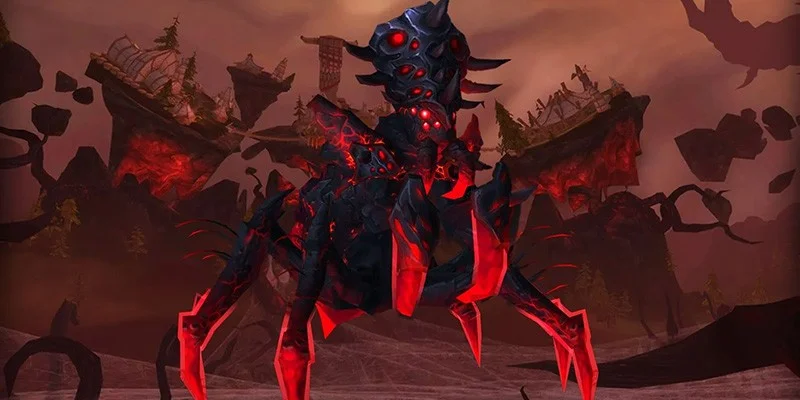
Understanding Torments
Torments work as zone-wide affixes that persist throughout your entire hunt. They differ based on difficulty level and may vary between different prey contracts.
A few important points about torments: they apply throughout the zone during hunt activities, they typically turn off during final prey target encounters (the arena phase), higher difficulties add more torments rather than just making existing ones stronger, and different hunts may feature different torment combinations.
The torment system creates something like a heroic world tier experience without splitting players into separate phases or layers. Players not participating in Prey can still share the same space without being affected.
Trap Mechanics
Throughout zones, you'll encounter traps similar to those from the tutorial quest. Successfully disarming a trap gives you that trap as a usable item. You can use these items to counter ambushes by instantly dropping an ambushing enemy to 50% health, causing them to flee immediately.
This provides a valuable safety net when you're facing multiple enemies at once or when an ambush catches you at a bad time.
Rewards and Progression
Gear Rewards by Difficulty
Each difficulty tier awards gear from different item tracks:
| Difficulty | Gear Track | Equivalent Content |
|---|---|---|
| Normal | Adventure | Basic outdoor content |
| Hard | Veteran | Raid Finder |
| Nightmare | Champion | Normal Raid |
Weekly Structure
Based on available information, the system appears to limit how many hunts you can complete per week. You can complete one hunt at each difficulty level for full rewards. Repeating difficulties in different zones gives lesser reward bags but still grants currency for cosmetic purchases.
The exact weekly reset structure and hunt limitations may change before release.
Great Vault Contribution
Prey progress counts toward Great Vault slots similar to Delves. The world content slots can reward up to Hero-track gear based on your Prey completion, making this system valuable for weekly gear progression alongside other content.
Remnants of Anguish Currency
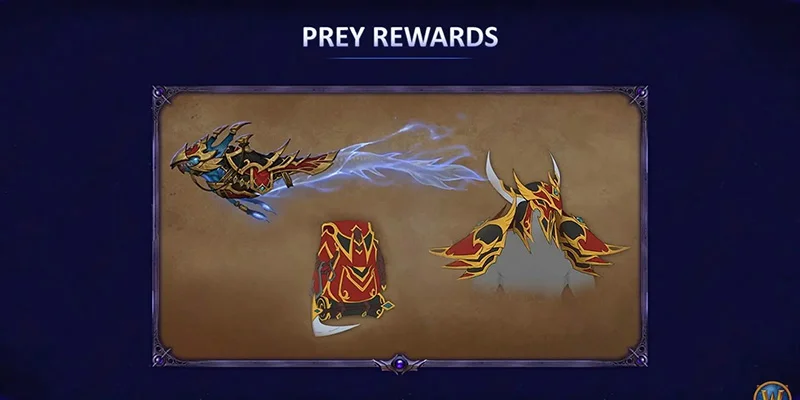
Throughout your hunts, you collect Remnants of Anguish, a currency for purchasing cosmetics and other items from the prey vendor. This currency drops as you progress through hunts, giving you reason to repeat content beyond initial gear rewards.
Available purchases include mana wyrm-themed mounts, various cosmetic items (shoulders, helms, backpacks), enchanting recipes, a decor recipe for Scribes, and pets.
Many items are locked behind a rank system requiring progression through multiple hunts.
Other Vendor Items
The prey vendor (referred to as Vador in testing) also offers crests for gear upgrading, Voidlight Marls (another Midnight currency), Coffer Key Shards for Delve content, and reagent bags containing additional currencies.
Strategic Tips
Class and Role Differences
Tank specs naturally have an easier time with Prey content thanks to their survivability. The system includes crowd control vulnerability on targets specifically so all classes and roles can succeed. If you're playing a DPS spec, you'll need to pay closer attention to torment management and defensive cooldown usage.
Time Management
Nightmare difficulty's stacking damage creates an implicit time limit. Taking too long or dying repeatedly extends the hunt while debuffs keep building, potentially making completion impossible. Plan efficient routes and avoid unnecessary delays.
Situational Awareness
The unpredictable nature of ambushes rewards players who stay alert. Pulling large enemy groups increases your risk if an ambush hits mid-combat. Keep your health topped off and defensive cooldowns available as insurance against sudden encounters.
Using Sanctuary Zones
When torments become overwhelming or you need a break, retreat to sanctuary zones (town hubs) to temporarily disable prey mechanics. This lets you heal, reorganize, or simply pause without abandoning progress.
Who Should Do Prey?
Prey serves several player types well.
Outdoor Content Fans: If you enjoy world quests and open-world gameplay, Prey gives you additional challenges and rewards beyond standard activities.
Alt Characters: The gear progression from Veteran and Champion tracks provides efficient gearing without requiring group content like dungeons or raids.
Cosmetic Collectors: The unique mounts, transmog items, and pets available through Remnants of Anguish appeal to collectors.
Early Season Gearing: During new seasons, Prey offers another path to competitive gear as you prepare for other content.
Delve Players: If you enjoy Delves, Prey offers a complementary solo experience with similar reward structures and difficulty scaling.
Players focused primarily on Mythic+ or Mythic raiding will probably engage with Prey for rewards and vault contribution rather than as a main activity, though nightmare difficulty may appeal to those looking for real outdoor challenges.
Prey vs Delves Comparison
Prey and Delves fill similar roles as challenging solo content with scaling difficulty and meaningful rewards. The key differences:
- Happens in open world rather than instanced
- Ambush mechanic adds unpredictability
- Integrates with existing world quest activities
- Zone-wide torments create unique challenge
- Controlled, instanced environment
- Predictable encounter structure
- No random ambush interruptions
- Mechanics contained to specific areas
The two systems complement each other, giving you variety in how you approach challenging solo content.
Wrapping Up
The Prey system is a significant addition to World of Warcraft's outdoor content. By creating tension through unpredictable ambushes, scaling difficulty through torments, and providing meaningful rewards at all difficulty levels, Prey gives players new reasons to engage with the open world beyond routine quest completion.
Normal difficulty offers accessible entry and steady gear progression. Hard difficulty introduces torments for players seeking moderate challenge. Nightmare difficulty delivers genuinely demanding gameplay that requires attention, quick reactions, and strategic thinking.
For gearing alts, collecting cosmetics, working toward Great Vault rewards, or just wanting more engaging world content, Prey has something for you. The system succeeds at making the open world feel more dynamic and dangerous while remaining entirely optional for players who prefer traditional gameplay.