

The Balance Druid, affectionately known as the "Boomkin" or "Moonkin" within the World of Warcraft community, occupies a unique position in The Burning Crusade Classic. Druids as a class can fulfill all four roles in the game (tank, healer, ranged DPS, and melee DPS), with Balance representing the ranged spellcasting damage specialization.
Balance Druid went through a major transformation from Classic WoW to TBC, evolving from what many considered a "meme spec" into a genuinely coveted raid member. This shift didn't happen because Balance Druids suddenly top damage meters (they typically don't), but because they bring an exceptional array of raid utility that makes them nearly mandatory for efficient raid compositions.
This guide covers everything you need to understand the Balance Druid specialization in TBC Classic, including race selection, profession choices, core mechanics, and the strengths and limitations you should expect when playing this spec.
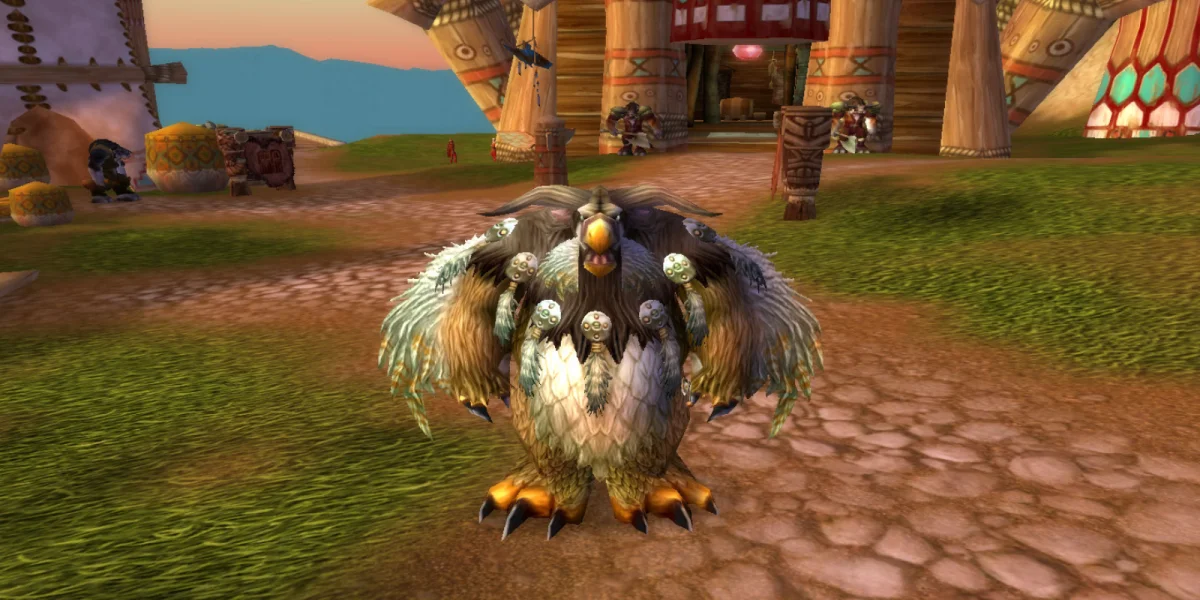
Balance Druid's Role
You should know what you're getting into when choosing Balance Druid. This specialization functions primarily as a support class that happens to deal damage, rather than a pure damage dealer.
What This Means in Practice
In raid environments, Balance Druids are valued for the buffs and debuffs they provide to boost the entire raid's performance. Your personal damage output won't compete with pure DPS classes like Warlocks or Mages, but your contributions to the raid extend far beyond your individual numbers on the damage meter.
A skilled Balance Druid who invests effort into optimizing their play will noticeably outperform one who simply treats the role as a "buff bot." You should enter this specialization understanding that your value comes from a combination of respectable damage and powerful group utility.
PvP Considerations
In Player versus Player combat, Druids are exceptionally strong, and Balance is no exception. The specialization offers strong damage output, healing capability, and crowd control. Much of this is instant cast. The ability to constantly remove slows and roots through shapeshifting makes Balance Druids one of the premier Arena classes, particularly in smaller bracket formats.
Changes from Classic to TBC
Understanding how Balance Druid evolved from Classic WoW helps explain why the spec became so much more desirable in TBC. Several significant changes occurred to existing abilities and talents, alongside the introduction of powerful new options.
Improvements to Existing Abilities
Moonkin Form Enhancement: The signature Balance form received a substantial upgrade. The spell critical strike buff provided to party members increased from 3% in Classic to 5% in TBC. This makes Balance Druids excellent additions to caster groups, particularly those containing Warlocks.
Barkskin Rework: This defensive ability received a significant overhaul. It now reduces all damage taken by 20%, rather than only mitigating melee attacks as it did previously. The ability still prevents casting pushback and can be activated while affected by most crowd control effects, making it a genuinely useful defensive tool.
Tranquility Power Increase: The group healing ability received a considerable boost to its healing output, though this came with a tradeoff: the cooldown increased to 10 minutes.
Rebirth Cooldown Reduction: The combat resurrection ability had its cooldown reduced from 30 minutes to 20 minutes. While not a dramatic change, this quality-of-life improvement is welcome.
Insect Swarm Relocation: This damage-over-time ability moved from the Restoration talent tree into the Balance tree, making it more accessible for damage-focused builds.
Omen of Clarity Relocation: Moving in the opposite direction, Omen of Clarity shifted from the Balance tree into Restoration.

New Abilities and Talents in TBC
Improved Faerie Fire: This new talent represents one of the most significant reasons raids want a Balance Druid. When fully talented, it increases the chance that the debuffed target will be hit by melee and ranged attacks by 3%. This translates to a substantial raid-wide damage increase for all physical damage dealers.
Force of Nature: The new 41-point capstone talent in the Balance tree summons three treants that attack enemies for 30 seconds. These summoned creatures deal reasonable damage but are notably difficult to control.
Flight Form and Swift Flight Form: TBC introduces flying shapeshifts exclusive to Druids. These forms function as the equivalent of flying mounts usable in Outland and are instant cast, providing Druids with unparalleled mobility.
Cyclone: This crowd control ability removes an enemy player from combat for 6 seconds while also making them immune to damage during that time. It became an iconic ability for Druid PvP.
Lifebloom: While primarily a Restoration ability, this powerful new heal-over-time effect heals every second over 7 seconds, can stack up to three times, and delivers a final heal upon expiration or dispel. It's highly mana-efficient.
Tree of Life: The new Restoration form provides a party-wide healing received buff and reduces the mana cost of many spells by 20%, though it limits which spells can be cast and reduces movement speed by 20%.
Lacerate: A new Bear Form ability that applies a stacking bleed and generates high threat.
Mangle: The 41-point Feral talent with versions for both Cat and Bear Forms.
Core Strengths
Understanding where Balance Druid excels helps you maximize your value to groups and raids.
Exceptional Raid Utility
Druids possess one of the longest utility lists of any class in the game. As a Balance Druid, you provide:
- Mark of the Wild: A powerful stat buff for your entire raid
- Thorns: A damage reflection buff for tanks or melee
- Innervate: A mana restoration ability that can save healers or other casters during demanding encounters
- Rebirth: Combat resurrection (discussed in detail below)
- Abolish Poison and Remove Curse: Dispel capabilities for poisons and curses
- Faerie Fire with Improved Faerie Fire: A debuff that reduces enemy armor and, when talented, increases hit chance for physical attackers by 3%
- Insect Swarm: A damage-over-time effect that also reduces enemy hit chance
Combat Resurrection Capability
Druids are the only class in the game capable of resurrecting a fallen player during combat through Rebirth. This ability is absolutely critical for raid progression, as it can save attempts when key players die. Warlocks have a similar capability through Soulstone, but that ability must be cast preemptively before the player dies.
Improved Damage-Over-Time Usage
The increased debuff cap in TBC allows Balance Druids to comfortably maintain Moonfire and Insect Swarm on targets. This represents a significant improvement over Classic gameplay, where the rotation often devolved into simply casting Starfire repeatedly. The ability to use your full damage toolkit creates a more engaging playstyle and increases your damage output.
Moonkin Form Benefits
Beyond the 5% spell crit aura for your party, Moonkin Form provides substantial armor increases. This defensive benefit mirrors Dire Bear Form's armor boost in some ways and has led to creative uses in PvP situations, where some players utilize Moonkin Form for defensive purposes in hybrid "Restokin" builds.
Notable Weaknesses
An honest assessment of Balance Druid's limitations helps you prepare for challenges and set appropriate expectations.
- Exceptional raid utility
- Combat resurrection
- 5% spell crit aura
- Improved Faerie Fire
- Strong PvP presence
- Instant flight form
- Lower personal DPS
- Significant mana issues
- No out-of-combat resurrection
- Poor gear scaling
- GCD competition for utility
- Often support over damage
Lower Personal Damage Output
You won't often see a Balance Druid at the top of damage meters. While dedicated players who work on their play can climb higher in the rankings, the spec's heavy emphasis on support means you're often expected to prioritize raid utility over personal damage. When you need to cast Innervate on a healer, apply Faerie Fire, or handle other utility tasks, your personal damage suffers.
Significant Mana Management Challenges
Mana problems persist into TBC for Balance Druids. Despite talents like Moonglow (which reduces spell costs) and Dreamstate (which aids mana regeneration), Balance Druids typically need to consume mana potions frequently to maintain their damage output during encounters. On top of that, your Innervate is often needed by healers or other casters rather than yourself.
Lack of Standard Resurrection
Unlike Paladins, Priests, and Shamans who possess out-of-combat resurrection abilities, Druids only have Rebirth, which carries a 20-minute cooldown. This limitation means your group may face frequent corpse runs when players die outside of combat, as you cannot quickly resurrect them.
Gear Scaling Concerns
Balance Druids scale more poorly with gear compared to other caster DPS specializations. As content progresses and gear improves, other casters may pull further ahead in raw damage output.
GCD Competition for Utility
Making full use of your extensive utility toolkit requires dedicating many global cooldowns to abilities that deal little or no damage. This creates constant tension between maximizing your personal output and fulfilling your support role.

Race Selection
Unlike most classes that can choose from multiple races, Druids have extremely limited options. Your race is determined entirely by your faction choice.
Alliance: Night Elf (Only Option)
If you want to play Alliance, Night Elf is your only available race. The racial abilities include:
Quickness: Increases dodge chance by 1%. This benefits melee combat and tanking far more than Balance gameplay, providing minimal practical value for Boomkins.
Night Elves also have a slightly larger base mana pool, which provides a small advantage for a mana-hungry spec like Balance.
Horde: Tauren (Only Option)
If you want to play Horde, Tauren is your only available race. The racial abilities include:
Taurens have an increased hitbox compared to other races, particularly males. This grants slightly increased casting range but also means enemy abilities connect with you more easily.
Which Faction Has the Advantage?
Neither race provides overwhelming PvE advantages for Balance Druid. Your faction choice should primarily be based on your guild, friends, or personal preference regarding cosmetic appearance and lore. Both races offer situational benefits that largely cancel out.
Core Class Mechanics
Understanding fundamental Druid mechanics helps you perform effectively as Balance.
Mana Management
Managing your mana bar is critically important for Balance Druids. Unlike some casters, Druids can't equip wands, so when you run out of mana, you simply can't cast and must wait for regeneration. This makes understanding your mana pool, encounter duration, and spell costs critical for consistent performance.
Consumables provide significant help with mana, but they can't entirely compensate for poor mana awareness. Learning to pace your damage output based on encounter length is a skill that separates competent Balance Druids from struggling ones.
The Innervate Question: The ability Innervate is widely disputed regarding optimal usage. Whether you should use it on yourself or allocate it to another caster or healer depends entirely on your group composition and the encounter. If you're uncertain how you should use your Innervate, consult with your raid leadership.

Shapeshifting Mechanics
Shapeshifting is iconic to Druids and TBC expands your options with flying forms. All shapeshifts consume mana though, which can be problematic when mana is already a limited resource. The Natural Shapeshifter talent reduces this cost if you have talent points to spare.
TBC Quality-of-Life Improvement: In Classic, casting a spell that couldn't be used in your current form required you to first manually cancel or leave that form. TBC removed this restriction, and the game now automatically leaves your current form when you cast something outside that form's capabilities.
Mobility Through Forms: Knowing which forms increase movement speed in various situations can save significant time. Aquatic Form provides the fastest swimming speed, while Travel Form and Flight Form handle land and air movement respectively.
Defensive Shapeshifting: Understanding that Moonkin Form provides armor increases similar to Dire Bear Form can prove valuable in emergencies. Some PvP players exploit this by using Moonkin Form defensively in hybrid Restokin builds.
Talent Specialization Overview
While detailed talent builds are covered in dedicated sections of this guide, understanding the general approach to each tree helps inform your choices.
Balance Tree (Primary Focus)
The Balance tree is obviously your primary investment as a Balance Druid. Most talents in this tree either amplify key abilities like Starfire and Moonfire, promote mana regeneration through talents like Dreamstate, or reduce spell costs through talents like Moonglow.
Moonkin Form is a must-have, as it's your signature ability that provides the spell crit aura.
Force of Nature (the 41-point capstone) summons treants for additional damage.
Improved Faerie Fire is expected by most raids. If you arrive at a raid without this talent available, expect questions or criticism. Almost every raid wants a Druid with this capability, and Balance is the only spec that can reasonably access it.
Feral Tree (Minimal Investment)
The Feral tree offers little for Balance Druids in PvE. Some PvP builds may invest points to reach Feral Charge for additional mobility and interrupt capability, but this is extremely rare for Balance-focused players.
Restoration Tree (Secondary Investment)
The Restoration tree sees meaningful use for Balance Druids. Common investments include:
- Intensity: Helps with mana regeneration during casting.
- Natural Shapeshifter: Reduces the mana cost of shapeshifting.
- Improved Mark of the Wild: Strengthens your raid buff. This isn't strictly necessary if another Druid in your raid provides the improved buff, but if you're already investing in Restoration for other talents, it's worth picking up. Note that Furor (which grants rage or energy when shifting) provides no benefit for Balance gameplay.
- Nature's Swiftness (for PvP): Allows an instant cast spell, which proves valuable in PvP situations for emergency heals or burst damage.
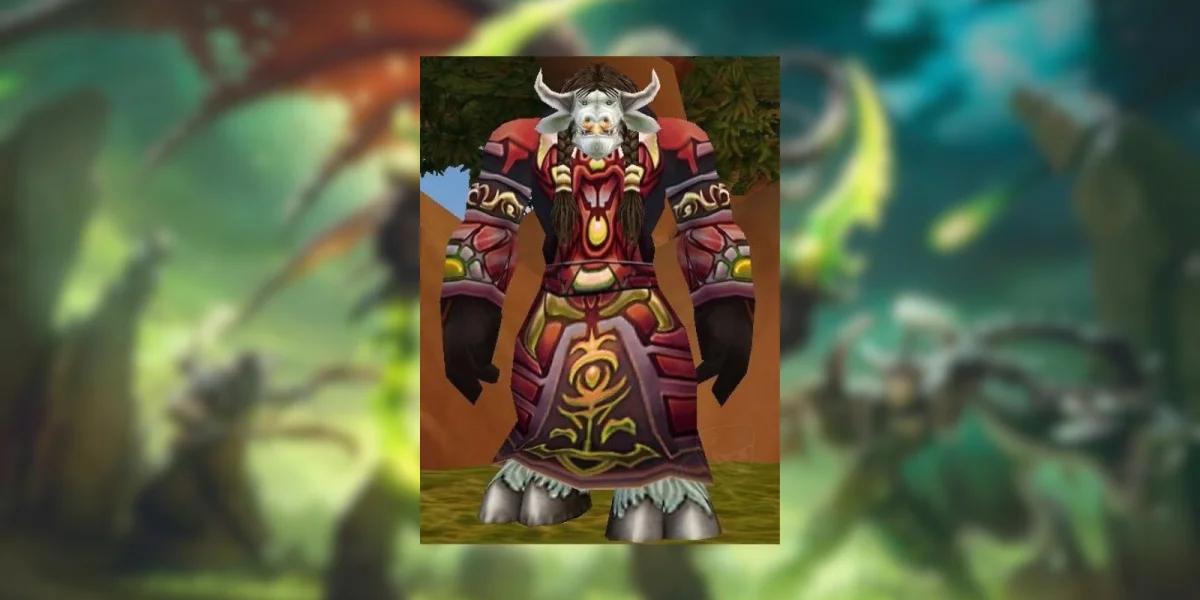
Profession Recommendations
Profession choices significantly impact your performance and gold-making capability as a Balance Druid. The following recommendations are ordered by general value for PvE-focused players.
Tailoring (Highly Recommended)
Tailoring stands as the premier profession choice for Balance Druids, particularly in the early and late phases of TBC content.
Why Tailoring Matters:
The Wrath of Spellfire set provides massive Arcane damage bonuses and is restricted to Tailors only. Similarly, while the Spellstrike Infusion set can be purchased and used by non-Tailors, having Tailoring allows you to craft it yourself and potentially profit from crafting for others.
Both sets require expensive materials to create. If you have multiple characters capable of crafting cloth (specifically the cooldown-restricted Spellcloth, Shadowcloth, and Primal Mooncloth), you can reduce costs or accelerate production.
In Phase 5, the Sunfire Robe becomes available to Tailors and represents a best-in-slot option.
Tailors can also craft Runic Spellthread, a powerful leg enchant.
Enchanting (Strongly Recommended)
Enchanting provides a significant throughput increase through exclusive ring enchants. Enchant Ring - Spellpower adds 12 spell power to each ring, for a total of 24 additional spell power. This bonus remains valuable throughout all of TBC content.
Additional benefits include the ability to create your own enchants and the potential for profit if you acquire desirable enchanting recipes early.
If you have an open profession slot alongside Tailoring, Enchanting is an excellent secondary choice.
Leatherworking (Situational)
Leatherworking provides two potential benefits:
Drums of Battle: These consumables provide a powerful group buff. Well-organized raids often want at least one Leatherworker per group. This role is typically filled by Elemental Shamans or other classes that already use Leatherworking for gear, though Balance Druids could be asked to provide Drums depending on your raid composition.
Windhawk Armor Set: This set offers decent stats and requires Leatherworking to equip. It serves as a viable alternative to the Tailoring sets, particularly valuable if you want to heal without switching your Tailoring specialization, as Windhawk works for both Balance and Restoration.
Unless your raid leadership specifically requests you to take Leatherworking for Drums, or you already have it, Tailoring and Enchanting provide superior benefits.
Alchemy (Moderate Value)
Alchemy provides two notable benefits:
Sorcerer's Alchemist Stone: This trinket becomes available in a later phase and provides passive spell power alongside a 40% increase to potion effectiveness. Given Balance Druids' mana problems and reliance on mana potions, the increased potion effect can prove valuable on longer encounters.
Gold-Making Potential: Transmute recipes and the new mastery system (Elixir, Potion, and Transmute specializations) make Alchemy a solid passive income profession.
Unless you already have Alchemy, Tailoring and Enchanting offer better direct performance benefits. Alchemy works well on an alt character that you don't want to fully min-max.
Engineering (Niche Value)
Engineering provides utility and some early gear options:
Starter Goggles: Destruction Holo-gogs and Magnified Moon Specs are decent headpieces early on, though they fall short of Spellstrike Hood. Upgraded goggles become available in Sunwell, but better options exist by that point.
General Utility: Field Repair Bot 110G, Goblin Jumper Cables XL, and explosive items like Super Sapper Charge can increase your area-of-effect damage noticeably.
Flying Machines: Engineers can craft Flying Machine Control and Turbo-Charged Flying Machine Control for personal transportation.
Unless you have Engineering and specifically want to keep it, Tailoring and Enchanting provide superior benefits.
Jewelcrafting (Not Recommended)
Jewelcrafting offers minimal benefits for Balance Druids. The exclusive gem upgrades provide only minor improvements over gems available to non-Jewelcrafters, and the craftable gear doesn't compare favorably to Tailoring options. Unless you specifically want a Jewelcrafter, other professions serve Balance Druids far better.
Blacksmithing (Not Recommended)
Blacksmithing provides nothing of value for Balance Druids. There's no relevant gear and no meaningful benefits. If you currently have Blacksmithing, dropping it for a more useful profession is worth considering.
Gathering Professions (No PvE Benefit, But...)
Herbalism, Mining, and Skinning provide no direct PvE performance benefits. Druids are exceptionally effective gatherers due to instant Flight Form though.
- Herbalism: You can gather herbs while in Flight Form without dismounting.
- Mining: You can mine while in Moonkin Form.
- Skinning: You can skin while in Cat Form or Bear Form.
If gold-making through gathering interests you, Druids excel at it. Just understand that these professions don't boost your raid performance.
Summary and Key Takeaways
Balance Druid in TBC Classic represents a fundamentally different experience from pure damage-dealing classes. You're choosing a support-oriented specialization that contributes through utility, buffs, and debuffs while providing respectable (though not chart-topping) damage.
- Your value to raids extends far beyond personal damage. Improved Faerie Fire, Innervate, combat resurrection, and your party crit buff make you nearly mandatory for efficient raid composition.
- Mana management is your constant challenge. Learn to pace your damage, use consumables wisely, and understand encounter lengths.
- Race choice is predetermined by faction: Night Elf for Alliance, Tauren for Horde. Neither provides overwhelming advantages.
- Tailoring and Enchanting are the best profession combination for maximizing PvE performance.
- The spec rewards players who invest effort into their play. A dedicated Balance Druid will significantly outperform one who treats the role as passive.
- In PvP, Balance Druids are exceptional, offering damage, healing, control, and unmatched mobility through shapeshifting.
For detailed information on talent builds, gear selections, rotations, and consumables, refer to the dedicated sections of this guide on Boosting Ground.