

Hunters in World of Warcraft are ranged damage dealers who fight alongside loyal animal companions. They bring tracking abilities, traps, and solid utility to any group, and they're one of the best classes in the game for solo play.
Marksmanship Hunters build around personal ranged damage rather than pet power. The spec's signature contribution is Trueshot Aura, which gives your party members bonus Attack Power.
Here's the honest truth, though: Marksmanship is the weakest Hunter spec in TBC Classic. Beast Mastery sits among the top DPS specs throughout the expansion, and Survival provides Expose Weakness, a raid debuff that's basically mandatory. Marksmanship's talents just don't synergize with what makes Hunters strong in this expansion. You'll likely face some pushback when trying to secure raid spots compared to BM or Survival Hunters.
None of this means Marksmanship is unplayable. The spec works fine for dungeons, casual content, and anyone who just enjoys the playstyle. Just go in with realistic expectations about raid viability.
Should You Play Marksmanship Hunter?
- Strong utility, including Misdirection and Feign Death
- Brings a solid party buff with Trueshot Aura
- One of the easiest classes to gear early on in TBC
- Incredible leveling speed and solo-play ability out in the world
- The lowest damage output and least desirable Hunter specialization
- Pet-based class, which means you will need to micro-manage your pet
- Relatively complex rotation compared to other classes
- Underwhelming AoE and cleave damage
- Lack of defensive and self-healing cooldowns
Strong Utility Toolkit
You still get access to every Hunter utility ability. Misdirection lets you redirect threat from your first three attacks to a tank, which helps tremendously on pulls. Feign Death remains great for dropping threat, though it no longer works during boss encounters in TBC. That means no more trinket swapping mid-fight like you could do in Classic.
Trueshot Aura Party Buff
Your main group contribution is Trueshot Aura's Attack Power boost for party members. It's decent, but it doesn't compare to what other specs bring. Beast Mastery provides Ferocious Inspiration, a 3% damage buff that stacks multiplicatively when multiple BM Hunters are present. Survival brings Expose Weakness, which buffs all physical damage dealers in the entire raid. Trueshot Aura is nice to have, but it won't carry your raid spot on its own.
Accessible Gearing
Hunters are among the easiest classes to gear in early TBC. You won't face much competition for mail Agility gear, and the class performs reasonably well even without perfect itemization.
Exceptional Solo and Leveling Capability
Hunters have always been great at solo content, and TBC makes them even better. You can handle almost any open-world content alone, aside from elites designed for full 5-player groups. Farming consumables and gold is significantly easier than on most other classes.
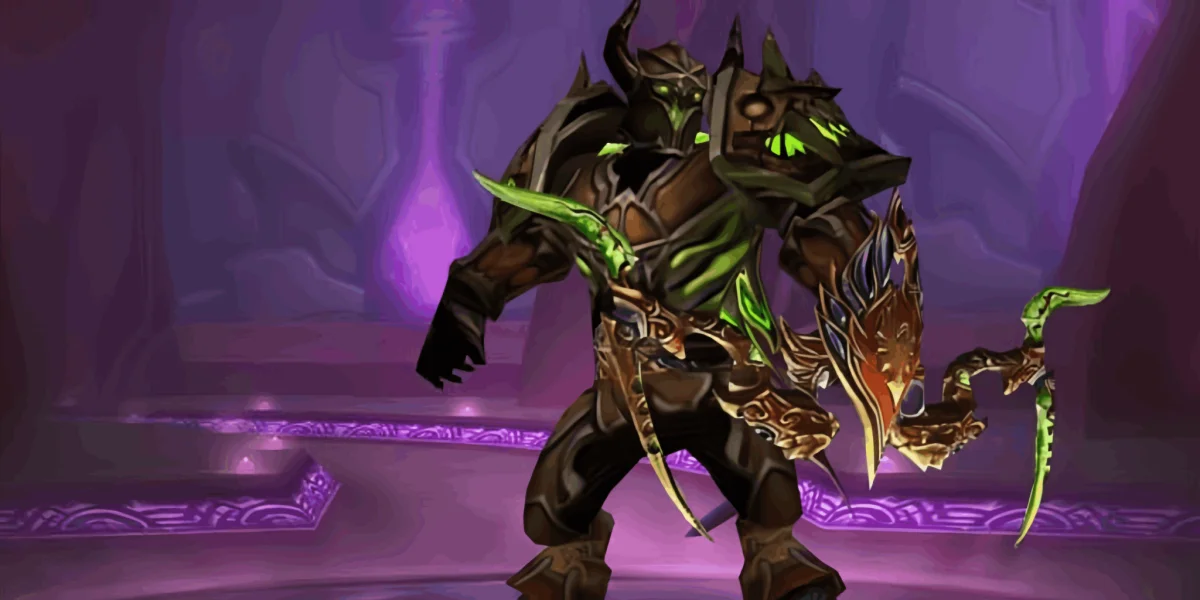
Lowest Damage Output Among Hunter Specs
This is the big problem. Marksmanship can't keep up with Beast Mastery's damage, and several factors contribute to the gap.
Aimed Shot now resets your Auto Shot swing timer in TBC. This change completely removes it from standard rotations. You'll only use it during initial pulls if you're the designated puller for your raid.
Beast Mastery gets 20% passive haste from Serpent's Swiftness. Marksmanship doesn't have access to this talent, and haste scaling is extremely powerful in TBC.
Pet damage now accounts for roughly 30% of total Hunter DPS thanks to new scaling mechanics. Beast Mastery talents like The Beast Within, Serpent's Swiftness, and Go for the Throat push pet damage even higher. Marksmanship can't replicate these gains.
You do get personal damage talents like Ranged Weapon Specialization, Barrage, Improved Barrage, Combat Experience, and Careful Aim. They help, but they don't make up for what you're missing from the Beast Mastery tree.
Complex Rotation Mechanics
Hunter rotations in TBC demand more attention than most classes. You need to watch swing timers carefully to avoid clipping your Auto Shots with Steady Shot casts. Mess up your rotation and your damage drops significantly. The famous "one button macro" from original TBC no longer works properly due to client changes, so you'll actually need to pay attention.
Weak AoE and Cleave Damage
Hunters don't gain any new AoE tools in TBC. You're stuck with Multi-Shot and Volley, which look pretty sad next to what Warlocks and Mages can do. Most players won't care much about this, but speedrunning guilds often stack casters specifically because they clear trash faster.
Limited Defensive Options
Hunters lack meaningful defensive cooldowns and don't have real self-healing in combat. Your options are Gift of the Naaru if you're Draenei, or consumables. Try not to stand in fire.
Core Mechanics
Mana Management
Mana matters more than you might expect for Hunters in TBC. Run dry and your rotation stops completely. You'll need to pop Aspect of the Viper or burn consumables like Demonic Rune, Dark Rune, and Super Mana Potion to get back in the fight.
Raid mana problems largely disappear with Judgement of Wisdom on the boss. Your Holy Paladin applies it, your Retribution Paladin maintains it, and your attacks restore mana while it's active. Make sure your raid keeps this debuff up on boss encounters.
The Rotation System
Rotations are the most important skill for Hunters in TBC. Execute them well and you'll do solid damage. Mess them up and your DPS tanks.
Hunter rotations use "X:Y" notation, where X is Steady Shots and Y is Auto Shots. The 1:1 rotation fires one Steady Shot between each Auto Shot. It's the baseline rotation most Hunters use.
Your specific rotation changes based on your current haste. As you get better gear, you may need to adjust. Staying on top of this is a significant part of playing Hunter well.
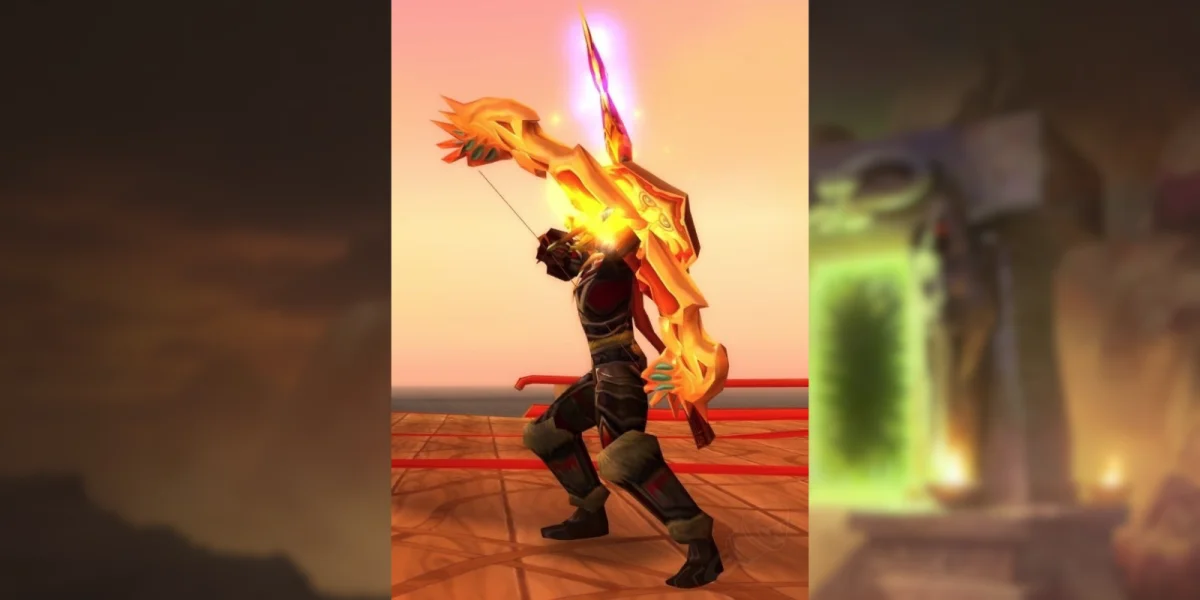
Key Ability Changes in TBC
Feign Death no longer drops combat during boss fights. No more mid-fight trinket swaps.
Traps (Frost Trap, Freezing Trap, Explosive Trap) now work in combat. There's a 2-second delay between dropping a trap and activation, so plan accordingly.
Aimed Shot resets your Auto Shot timer when cast. This fundamentally changes how the ability works. It's out of your standard rotation entirely, though you might still use it for pulling or in PvP.
Mend Pet is now instant cast instead of channeled. Much more convenient for keeping your pet alive during encounters.
New TBC Abilities
Steady Shot is your bread and butter. It deals weapon damage plus 20% of your Ranged Attack Power plus 150, with bonus damage against Dazed targets. Your entire rotation revolves around this ability.
Kill Command is an instant, off-GCD ability that makes your pet hit harder. It can proc and become available even while technically on cooldown.
Aspect of the Viper regenerates mana. Switch to this when you're running low during raids or between pulls.
Misdirection sends threat from your first three attacks to your target. Tanks love this on pulls. It's one of Hunter's most valuable utility tools.
Best Races
Horde Races
 Orc: The Recommended Choice
Orc is the strongest Horde race for Marksmanship Hunters in both PvE and PvP.
Blood Fury gives you 282 Attack Power at level 70 for 15 seconds. The 50% healing reduction during that time sounds scary, but it rarely matters. You shouldn't be taking significant damage in group content anyway.
Command boosts all pet damage by 5%. Marksmanship doesn't rely on pets as heavily as Beast Mastery, but they still contribute meaningful damage.
Hardiness gives you 15% stun resist. This is incredibly powerful in PvP, especially against Rogues.
Axe Specialization adds 5 expertise with axes, which doesn't help your ranged damage much.
 Troll: A Competitive Alternative
Trolls are the second-best Horde option and can edge out Orcs in specific situations.
Berserking is a 3-minute cooldown that increases attack speed by 10-30% based on your current health. Lower health means more haste. At full health, you only get 10%. Getting the full 30% requires being significantly injured, which doesn't happen often in raids where healers keep you topped off. If you can consistently use it at low health, Trolls can pull ahead of Orcs. Realistically, most players won't manage this.
Bow Specialization adds 1% crit chance with bows. Solid bonus, and Hunters use bows for most of TBC.
Beast Slaying gives 5% bonus damage against Beasts. Great for leveling, relevant for only a handful of raid bosses.
Regeneration provides minor passive health regen. Doesn't matter in practice.
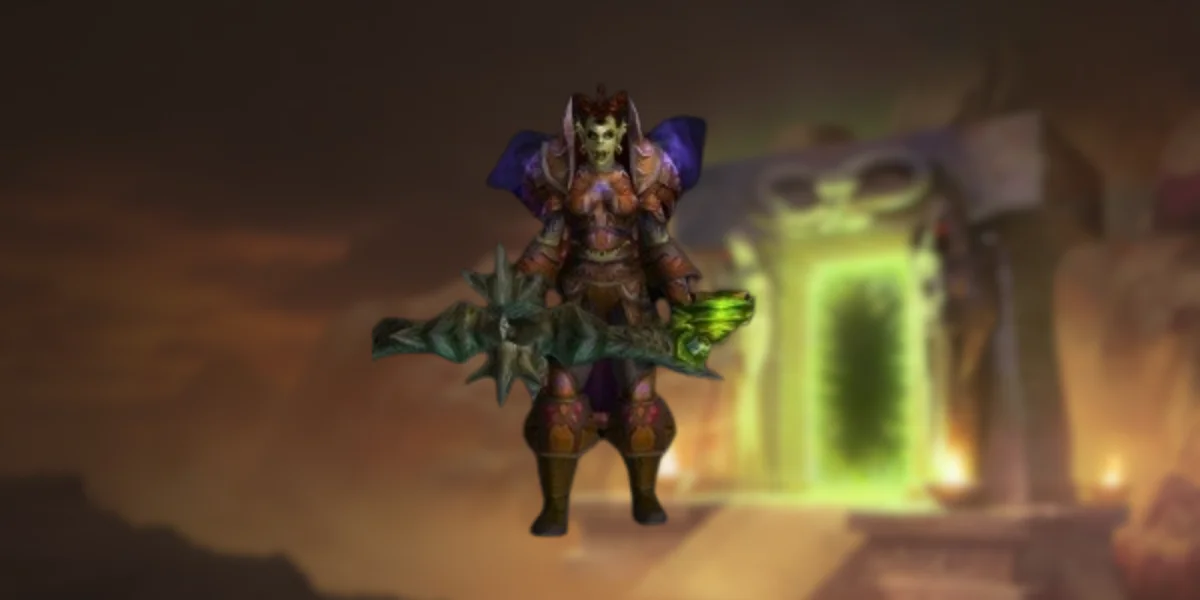
Alliance Races
Alliance race choice comes down to personal preference since none of the options dominate.
 Draenei: Best for Early Gearing
Heroic Presence adds 1% hit chance for you and your entire party within 30 yards. This helps a lot early in the expansion when hitting the hit cap is tricky. Only one Draenei per party is needed since it doesn't stack. Most groups already have this covered because all Alliance Shamans are Draenei.
Gift of the Naaru is a heal over 15 seconds. Hunters lack self-healing, so this has its uses in both PvE and PvP.
 Night Elf: Highest Base Agility
Night Elves have the highest base Agility among Alliance races. The damage difference is marginal, but it exists.
Shadowmeld lets you stealth while standing still out of combat. Limited PvE value, but strong in PvP for setting up ambushes. You can also macro it with food and drink while leveling to eat in stealth.
Quickness gives 1% dodge, useful against melee in PvP.
 Dwarf: Best for PvP
Dwarf is the top Alliance PvP race because of Stoneform.
Stoneform makes you immune to bleeds, poisons, and diseases while boosting armor for 8 seconds on a 3-minute cooldown. This ability wins arena matches against Rogues and Warriors.
Gun Specialization adds 1% crit with guns. Unfortunately, Hunters almost never use guns in TBC. The best weapons throughout the expansion are bows and crossbows.
For PvE, Dwarf doesn't offer meaningful advantages beyond occasional Stoneform uses on specific boss mechanics.
Best Professions
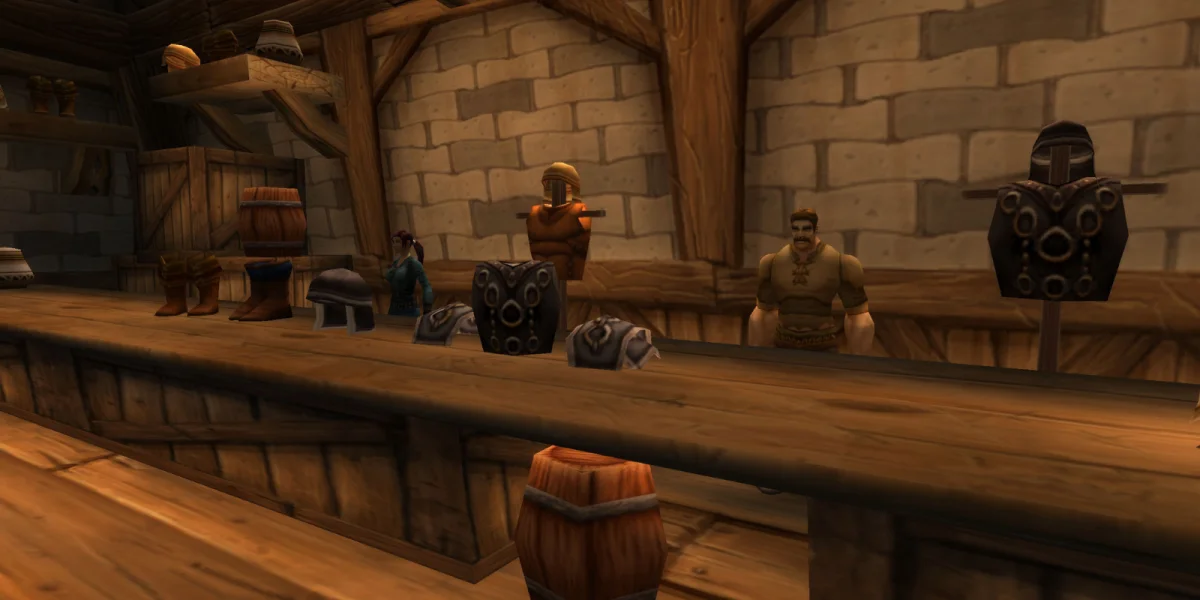
Leatherworking
Leatherworking is the strongest profession for Hunters in TBC, even after Blizzard's drums changes reduced its dominance.
Drums of Battle and Greater Drums of Battle: These consumables provide group-wide haste buffs. Drums now apply a 2-minute Tinnitus debuff after use, preventing the continuous drum rotations from original TBC. Even so, if you're your party's designated drums user, you need Leatherworking.
| Phase | Crafted Gear | Notes |
|---|---|---|
| Phase 1 | Netherscale Armor, Primal Intent, Primalstrike Set | Primalstrike gives 3 pre-raid BiS pieces |
| Phase 3 | Swiftstrike Shoulders | Strong shoulder upgrade |
| Phase 5 | Carapace of Sun and Shadow | End-game crafted pieces |
If you're not crafting one of these gear sets and someone else handles drums for your group, Leatherworking loses most of its ongoing value.
Engineering
Engineering is the second-best choice and becomes the top pick if you skip Leatherworking's gear sets.
| Category | Items | Benefit |
|---|---|---|
| Crafted Goggles | Deathblow X11, Surestrike v2.0 (Phase 2) | Strong head slot options |
| Upgraded Goggles | Quad Deathblow X44, Surestrike v3.0 (Phase 5) | End-game upgrades |
| Combat Items | Battle Chicken, Super Sapper Charge | 5% melee haste, AoE damage |
| Ammunition | Adamantite Arrow/Shell Maker | Cost-effective ammo crafting |
Supporting Professions
Skinning: If you go Leatherworking, pair it with Skinning to farm your own materials. This helps a lot while leveling the profession and crafting your initial gear.
Other Options
Alchemy: Lets you craft your own consumables, saving gold on flasks and potions. Phase 5 adds Assassin's Alchemist Stone, a craftable trinket with Agility and Attack Power.
Jewelcrafting: Gives access to exclusive gems like Crimson Sun and Stone of Blades. You can also craft trinkets: Figurine - Felsteel Boar in Phase 1 and Figurine - Khorium Boar in Phase 5.
Gathering Professions: Mining and Herbalism make gold but provide no combat benefits. If you choose Leatherworking, Skinning makes the most sense as your second profession.
Raid Role
Understanding Your Raid Position
Marksmanship Hunters occupy an awkward spot in raid compositions. Most raid teams want:
- Multiple Beast Mastery Hunters for top-tier single-target damage and Ferocious Inspiration (which stacks multiplicatively with other BM Hunters).
- Exactly one Survival Hunter for Expose Weakness. This debuff benefits all physical attackers and becomes more powerful as the Survival Hunter gets more Agility and crit trinkets like Dragonspine Trophy.
Marksmanship doesn't fit cleanly into either role. You don't match BM's damage output, and you don't bring Survival's raid-wide utility. Trueshot Aura helps, but most raid leaders won't consider it sufficient justification for a spot over the other specs.
Making Marksmanship Work
If you're committed to Marksmanship, focus on:
- Executing your rotation flawlessly. You need every bit of damage you can squeeze out.
- Using Misdirection effectively on pulls and managing your threat well.
- Staying flexible with your raid team's needs. Consider maintaining a BM or Survival off-spec for encounters where your raid needs different compositions.
- Demonstrating consistent performance and a positive attitude. You may need to advocate for your spot more than other specs would.
Conclusion
Marksmanship Hunter in TBC Classic is a challenging choice. The spec offers solid utility, accessible gearing, and the ranged playstyle that draws many players to the Hunter class. You just need to accept that you're picking a spec that underperforms compared to Beast Mastery and Survival.
For players focused on performance, BM or Survival are objectively stronger picks. For players who enjoy Marksmanship's gameplay and don't mind the limitations, the spec handles all content just fine with proper execution.
What matters most for any Hunter is mastering your rotation, managing mana effectively, and using your utility abilities to help your group. These fundamentals matter far more than spec choice for the vast majority of content you'll encounter.