
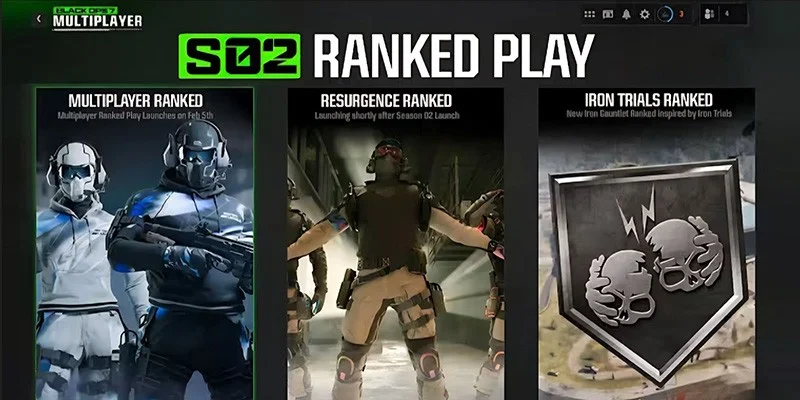
Activision is going after third-party cheating devices in a major way. The RICOCHET Anti-Cheat team announced new detection methods specifically targeting Cronus Zen, XIM Matrix, and similar input modification hardware as Call of Duty: Black Ops 7 and Warzone prepare to launch Ranked Play in Season 2.
This marks a major change in how Activision identifies cheaters. Instead of trying to detect specific hardware, RICOCHET will now analyze player inputs directly. These updates build on anti-cheat systems already running across Black Ops 7 and Warzone, adding another protection layer for competitive modes.
Season 2 launches later this week.
Why These Devices Are a Problem
Cronus Zen, XIM Matrix, ReaSnow S1, and similar devices have plagued Call of Duty for years. They alter player inputs to exploit aim assist, eliminate recoil, and deliver reaction times no human can match. Players end up facing opponents who never seem to miss, with gameplay that just doesn't feel right.
In Ranked Play, the stakes are higher. Cheating doesn't just cost a single match. It impacts Skill Rating, disrupts session momentum, and makes players question whether the mode is worth their time. Players have reported unfair losses, rising frustration, and declining interest in competitive play as a result.
These devices are sold at major retailers like Best Buy and Amazon, which has confused some players about whether they're actually allowed. Activision's answer is unambiguous: they're not permitted in Call of Duty.
Using them violates Activision's Security and Enforcement policy.
A New Approach to Detection
Previous attempts to block these devices produced mixed results. Activision initially targeted them in Call of Duty: Warzone and Modern Warfare II, but the hardware proved difficult to catch. These devices are designed to hide, adapt, and change configurations to avoid simple detection methods.
"Stopping these devices takes more than looking for a specific piece of hardware because they are designed to hide, adapt, and change configurations to avoid simple detection," Activision explained.
RICOCHET's new system works differently. Rather than looking for specific devices plugged into a system, it analyzes input timing, consistency, and response patterns. The goal is distinguishing natural human play from machine-modified input.
"We analyze input timing, consistency, and response patterns to distinguish natural human play from machine-modified input," Activision said. "This allows us to identify recoil control, aim behavior, and input precision that exceed what is physically possible through a standard controller or mouse."
Because Cronus and XIM devices are highly configurable, there's no single signature to block. Different users run different scripts with different settings. The new detection system targets classes of machine-driven behavior instead, catching the patterns even as configurations change.
The initial rollout focuses on the most widely used configurations. Activision acknowledged this isn't a one-time fix but rather a foundation they'll keep building on.
"This is not a one-and-done solution, and we want to be clear about that," the company stated. "These updates establish a foundation that RICOCHET Anti-Cheat will continue to build on until these devices no longer work across Call of Duty."
Stronger Security for Ranked Play
Beyond input detection, Ranked Play launches with additional security measures at the system level. RICOCHET introduces remote, cloud-based attestation working with Microsoft Azure to verify PC integrity before matches even begin.
This builds on existing TPM 2.0 and Secure Boot requirements that were strengthened in January 2026. The new attestation directly counters attempts to bypass system-level protections. According to Activision, it's the strongest attestation technology currently available in gaming.
The protections aim to stop cheating before a match starts rather than catching it mid-game. Players enter competitive matches knowing their opponents have passed the same security checks.
Most players won't need to change anything. Activision says the majority of PCs already meet these requirements. Those who need to verify their setup can use the Secure Attestation Wizard, which checks compliance and offers guidance on any necessary adjustments.
Immediate Industry Response
Cronus reacted quickly to the announcement. The company archived its Black Ops 7 channel on Discord shortly after RICOCHET revealed its plans. The move suggests the device manufacturer anticipates significant impact from the new detection methods.
One detail missing from the RICOCHET announcement: specific punishments for players caught using these devices. The team focused on disabling the hardware and detecting offending accounts but didn't outline consequences. Whether that means bans, skill rating penalties, or other enforcement remains unclear.
Some observers noted that if Cronus and XIM users represent a significant portion of Call of Duty cheaters, RICOCHET has tolerated them for quite some time. The accessibility argument may have contributed to the delay, though Activision is now firmly rejecting that justification.
The Accessibility Question
Some users have argued these devices serve legitimate accessibility purposes. Activision pushed back hard on this claim.
The company acknowledged that accessibility matters to both developers and the community. Call of Duty includes in-game options and supported hardware designed to accommodate different player needs.
But third-party devices like Cronus Zen don't fall into that category, according to Activision. They exist to give cheaters an unfair edge over players competing fairly, not to help disabled players participate.
Current Anti-Cheat Performance
RICOCHET claims its existing protections have kept the vast majority of Black Ops 7 and Warzone matches cheater-free since both games launched. For most players, matches play out without ever encountering a cheater.
These new measures target a specific category of cheating that existing systems struggled to catch. Input modification devices occupy a gray area between traditional software cheats and legitimate peripherals, making them harder to identify and address.
Hunting down cheating tools is an ongoing cat-and-mouse game for anti-cheat developers. The hardware and software get updated frequently, configurations change, and new workarounds emerge. Activision committed to refining these tools and adapting as new methods appear.
What Happens Next
Season 2 brings Ranked Play to both Black Ops 7 and Warzone with these new protections in place. The mode gives players a dedicated ladder to compete on, with skill ratings that actually mean something if the anti-cheat measures work as intended.

Activision plans to share updates as the season progresses. Players can follow @CODUpdates on X for real-time information or find the RICOCHET team on Reddit at u/RICOCHETcm.
The input-based detection represents Activision's latest attempt to get ahead of cheaters using third-party hardware. Whether it actually works remains to be seen. The gaming community has heard promises about anti-cheat crackdowns before, and these devices have proven resilient in the past.
Season 2 will put that to the test.