Vince Zampella, the legendary game developer behind Call of Duty and Apex Legends, died in a single-vehicle crash on December 21, 2025. He was 55.
The California Highway Patrol responded to the incident around 12:45 p.m. on Angeles Crest Highway, a winding two-lane road through the San Gabriel Mountains north of Los Angeles. Zampella's southbound 2026 Ferrari 296 GTS veered off the road just after exiting a tunnel and struck a concrete barrier.
"For unknown reasons, the vehicle veered off the roadway, struck a concrete barrier, and became fully engulfed," the CHP stated. The passenger was ejected from the vehicle. Zampella, who was driving, became trapped as the car caught fire.
He died at the scene. The passenger died later at a hospital. The CHP hasn't released the passenger's identity pending notification of next of kin.
A witness provided footage to authorities showing the red Ferrari slamming into the barrier as it emerged from the tunnel. What caused the crash remains under investigation.
From Medal of Honor to Call of Duty
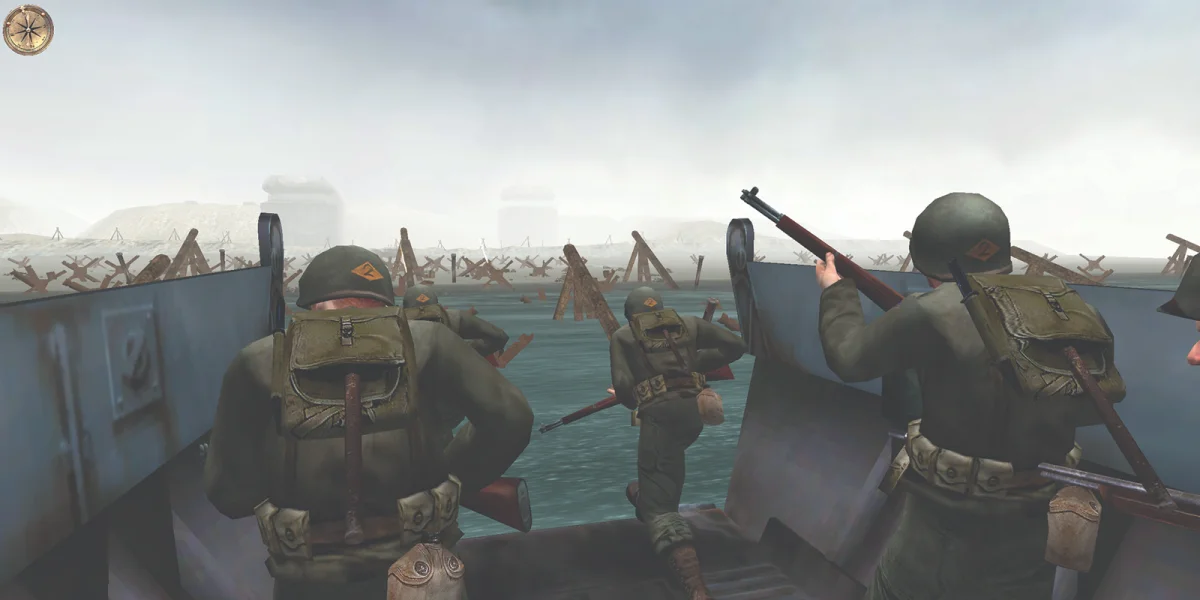
Zampella's career in game development started in the 1990s with producer roles at Panasonic Interactive Media and SegaSoft. His breakthrough came in 2002 with Medal of Honor: Allied Assault, particularly its Omaha Beach sequence.
That level didn't play like most shooters of its era. The beach stretched endlessly. Sound design overwhelmed the senses. Cover felt useless. Players didn't conquer the space. They survived it, barely.
In 2002, Zampella co-founded Infinity Ward with Jason West and Grant Collier. The studio launched the original Call of Duty in 2003 through Activision. The World War II shooter became an immediate hit and kicked off one of gaming's most successful franchises.
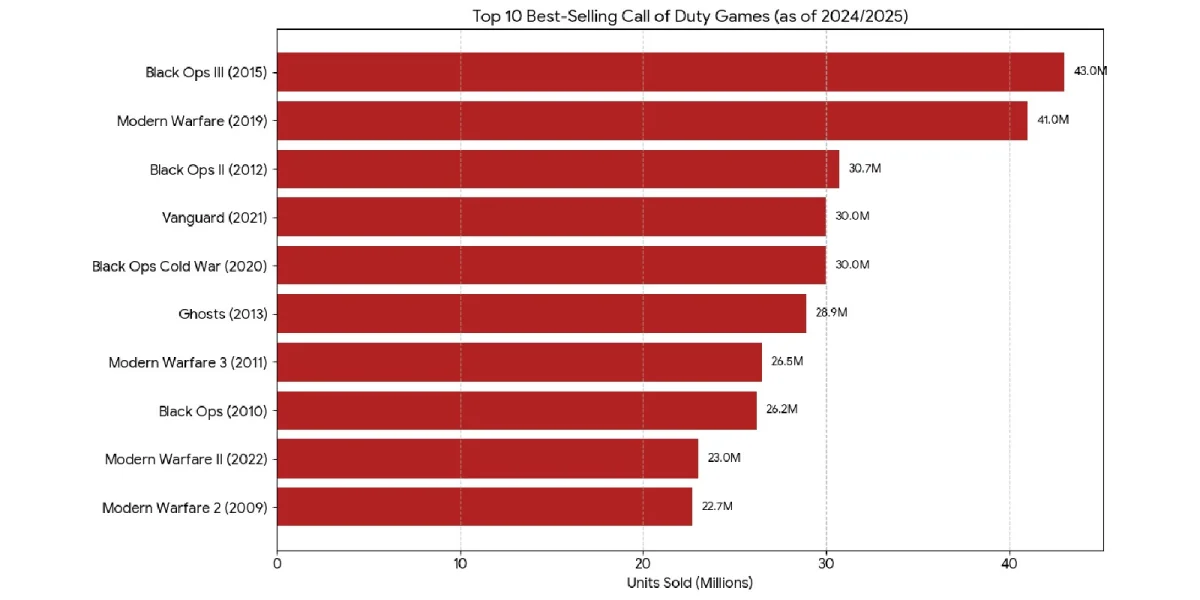
Infinity Ward followed up with Call of Duty 2, Call of Duty 4: Modern Warfare, and Call of Duty: Modern Warfare 2 under Zampella's direction. The franchise has sold over half a billion copies worldwide and maintains more than 100 million monthly active players.
Call of Duty 4: Modern Warfare changed everything. The shift to contemporary settings made the conflict feel uncomfortably familiar. One infamous moment kills the player character in a nuclear blast, stripping away agency and certainty.
Placing vulnerability at the center of a blockbuster experience was risky, but players embraced it. The moment proved that mainstream audiences would accept uncomfortable design choices if they served the experience.
Modern Warfare also introduced the multiplayer progression system that reshaped online gaming. Unlocks, ranks, persistent rewards. Nearly every major online game since has borrowed that structure.
Birth of Respawn Entertainment
Activision fired Zampella and West in 2010, citing insubordination. The company had invested in Infinity Ward before acquiring the studio outright, but the relationship soured.
Zampella co-founded Respawn Entertainment later that year in Chatsworth. The new studio proved he could innovate outside Call of Duty's shadow.
Titanfall and Titanfall 2 brought verticality and momentum back to shooters. Players could run on walls, eject from mechs, and string together movements that felt more like parkour than traditional FPS combat. The series restored joy to movement in a genre that had grown stale.
Apex Legends refined the battle royale formula through careful balance rather than constant content drops. The free-to-play shooter carved out space in a crowded market by respecting player time and skill rather than overwhelming them with seasonal bloat.
Respawn's Star Wars Jedi games revealed another side of Zampella's approach, featuring tight pacing and deliberate combat without open-world padding or endless collectibles. These games trusted structure over scale.
EA acquired Respawn in 2017. Seven years after leaving Activision, Zampella had built another studio worth purchasing.
Revitalizing Battlefield
At EA, Zampella took on an expanded role as Executive Vice President. He ran Respawn Entertainment while also overseeing a Playa Vista-based team managing the Battlefield franchise.
When Battlefield struggled, EA turned to Zampella for stability. This year, Battlefield 6 set a new sales record for the series. His ability to rescue a competitor to his own franchise spoke to his reputation as both creative visionary and operational leader.
The industry had watched him co-create Call of Duty, leave Activision, build Respawn, and then take charge of Call of Duty's biggest rival. Few developers have that kind of range.
Industry Reacts
EA confirmed Zampella's death Monday in a statement calling it "an unimaginable loss."
"Vince's influence on the video game industry was profound and far-reaching," the company said. "A friend, colleague, leader and visionary creator, his work helped shape modern interactive entertainment and inspired millions of players and developers around the world. His legacy will continue to shape how games are made and how players connect for generations to come."
Respawn Entertainment described him as "a titan and legend of this industry, a visionary leader and a force who shaped teams and games in ways that will be felt for generations."
"His impact reached far beyond any one game or studio," the studio added.
Geoff Keighley, video game journalist and co-creator of The Game Awards, called Zampella "an extraordinary person" on social media.
"Vince was a gamer at heart but also a visionary executive with a rare ability to recognize talent and give people the freedom and confidence to create something truly great," Keighley wrote. "While he created some of the most influential games of our time, I always felt he still had his greatest one ahead of him. It's heartbreaking that we'll never get to play it."
Gene Park, video game critic for The Washington Post, spoke to Zampella's approach to design.
"He really knew how to create stories and create experiences that really hit at the heart of the human experience, whether it's terror, dread, heroism," Park said. "I think he was really able to kind of encapsulate that through the designs of the video games he made. He was a very, very humble person. He was very well aware of the impact that he made on people, and he never took it for granted."
Personal Life and Legacy
Zampella was a Los Angeles native born in 1970. He grew up playing board games and video games, interests that eventually shaped his career.
He divorced his wife Brigette in 2015 after 18 years of marriage. They had three children: Quentin, 26; Kyle, 22; and Courtney, 19.
According to Celebrity Net Worth, Zampella accumulated approximately $40 million from game sales, licensing royalties, and franchise expansions. His estate will pass to his three children.
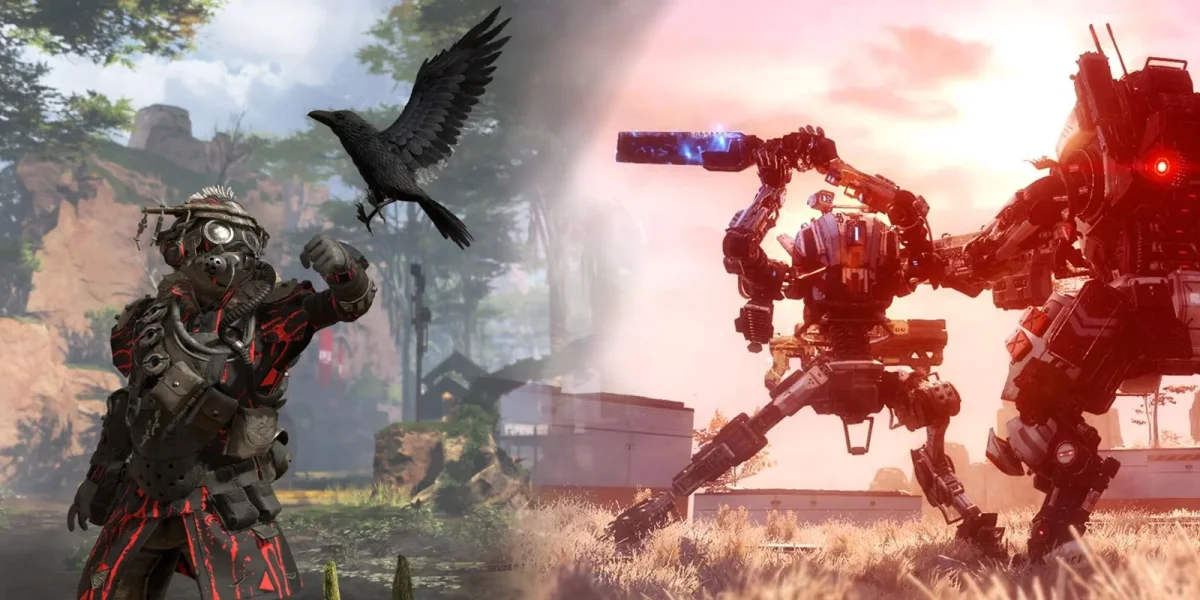
His death marks the loss of one of gaming's most consistently innovative voices. From Medal of Honor to Call of Duty to Titanfall to Apex Legends, his fingerprints are visible across modern shooters.
The progression systems he pioneered with Modern Warfare became foundational to online gaming. The movement mechanics in Titanfall influenced how developers think about player mobility. The balanced approach in Apex Legends showed live-service games didn't need to drown players in content to succeed.
His work influenced not just gameplay mechanics but how games maintain engagement and build communities. When developers needed a model for multiplayer progression, they looked at Modern Warfare. When they wanted verticality done right, they studied Titanfall.
Zampella leaves behind successful franchises and a different approach to shooter design that valued hesitation over speed and weight over spectacle. That philosophy shaped an entire generation of games and developers.